How to Declutter When You Feel Overwhelmed
When you feel overwhelmed, declutter by making the task tiny: pick the smallest spot you see every day and set a 15-minute timer. Start with obvious trash, sort everything into keep, donate, trash and belongs-elsewhere boxes, ask easier questions, get donations out the same day and protect the cleared space with one small habit.
When every room feels like too much, the hardest part is not deciding what to keep. It is starting. Overwhelm makes the whole job look like one huge task, so the brain does the sensible thing and avoids it.
The way through is to make the task tiny, finished and visible. The steps below are designed for low-energy days and busy weeks, and they work whether you have a messy apartment or a full house.
1Pick the smallest spot you see every day
Not the garage, not the closet. Pick one surface or one drawer that you see often: the bathroom counter, the nightstand, the shelf by the door. Clearing it gives you a visible win, and you will notice it every time you walk past.
The goal of the first session is not to make progress on the house. It is to prove to yourself that you can finish something.
2Set a timer for 15 minutes
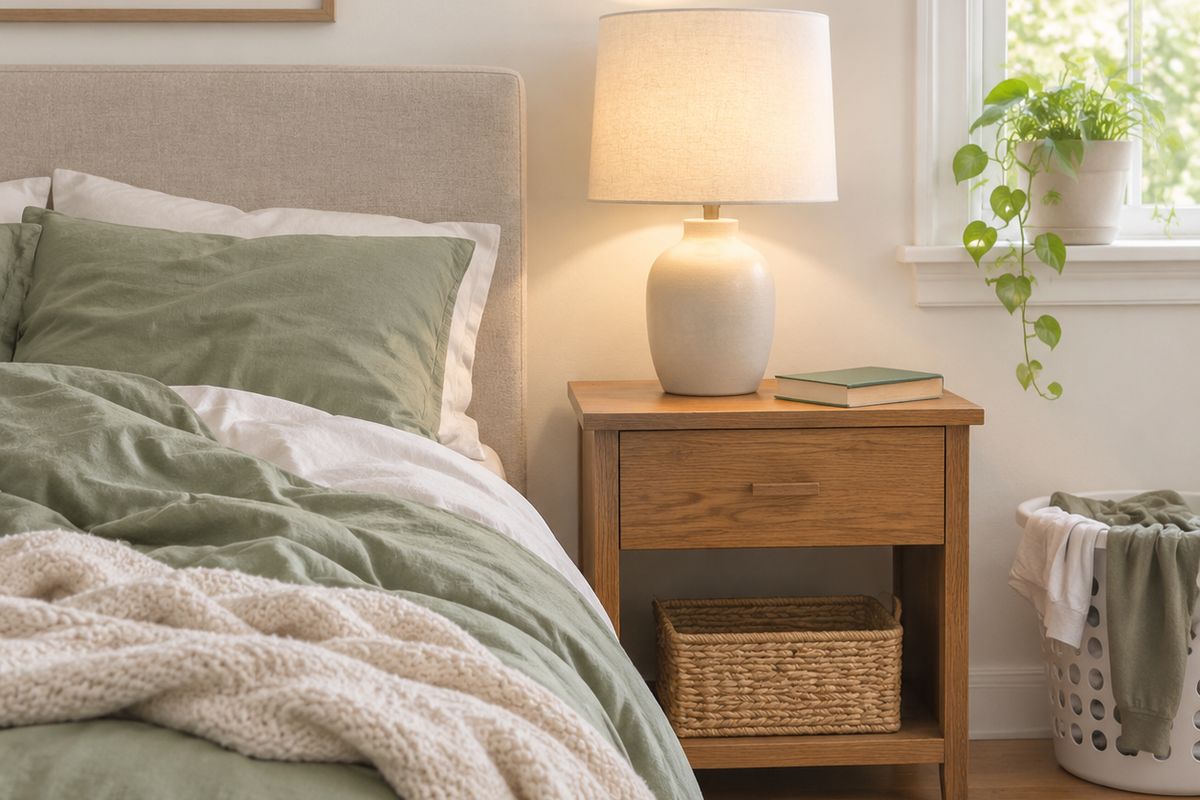
A timer turns an open-ended job into a short one. Fifteen minutes is short enough to start on a bad day and long enough to clear a drawer. When it rings, you are allowed to stop. Most days you will want to keep going; on the days you do not, you still did something.
3Start with trash, not decisions
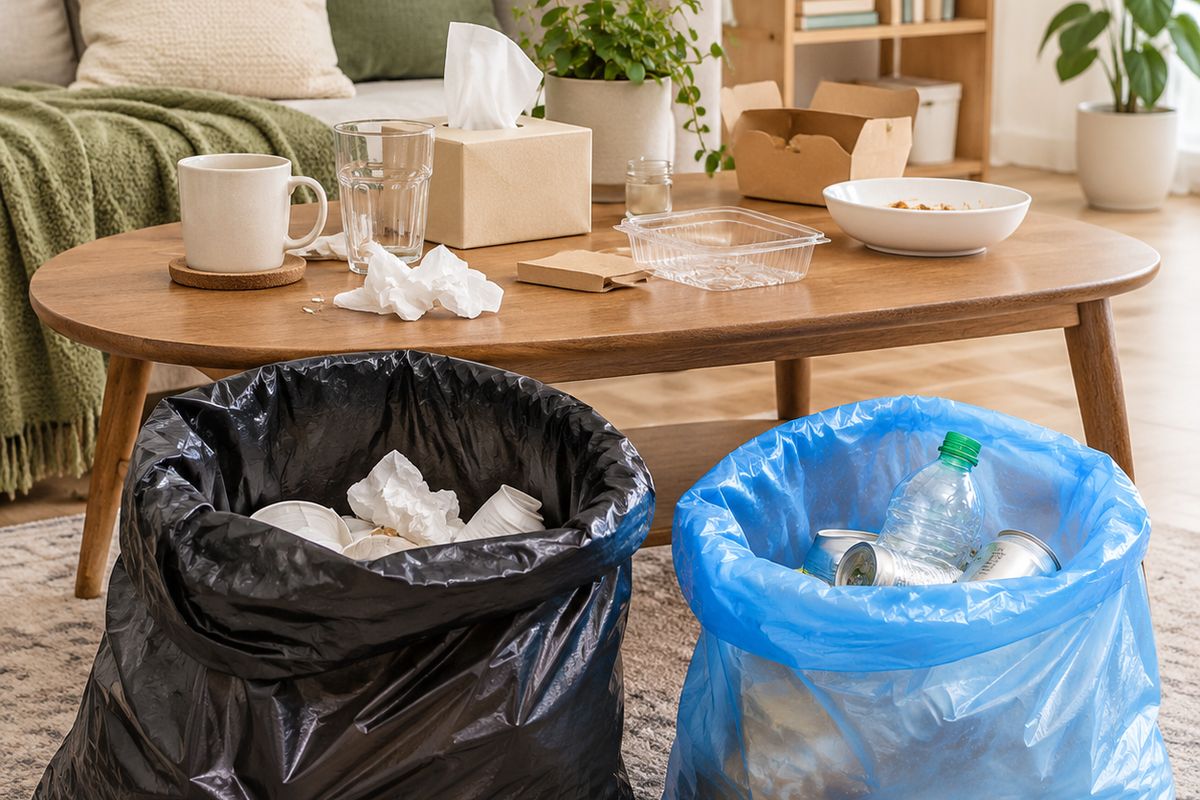
The easiest first step is to take out what is obviously trash: wrappers, receipts, empty bottles, junk mail, broken things. It takes no emotional energy and often clears a third of the clutter. Then do dishes and laundry that belong elsewhere.
Only after that do you need to make real keep-or-donate decisions.
4Use four boxes
Keep, donate, trash and belongs elsewhere. Every item you pick up goes into one of them, so you never put something down in a new pile. Collapsible boxes are easy to carry and fold away.
Empty the belongs-elsewhere box at the end, not during the session. Walking around the house mid-session is how a 15-minute job becomes a lost afternoon.
5Ask easier questions
"Do I love it?" is a hard question when you are tired. Easier ones: Have I used it in the last year? Do I have another one that does the same job? Would I buy it again today? If I needed it, could I borrow or replace it cheaply? Two no answers and it can go.
6Get the donations out the same day
Put the donate bag in the car or by the door immediately, and drop it off within a few days. Bags that sit in the hall get unpacked again, and seeing them every day adds to the overwhelm.
7Build one tiny habit
When a space is clear, protect it with one small habit: clear the counter before bed, put the mail in a tray the moment it arrives, or tidy one drawer every Sunday. One habit you keep is worth more than a perfect system you abandon.
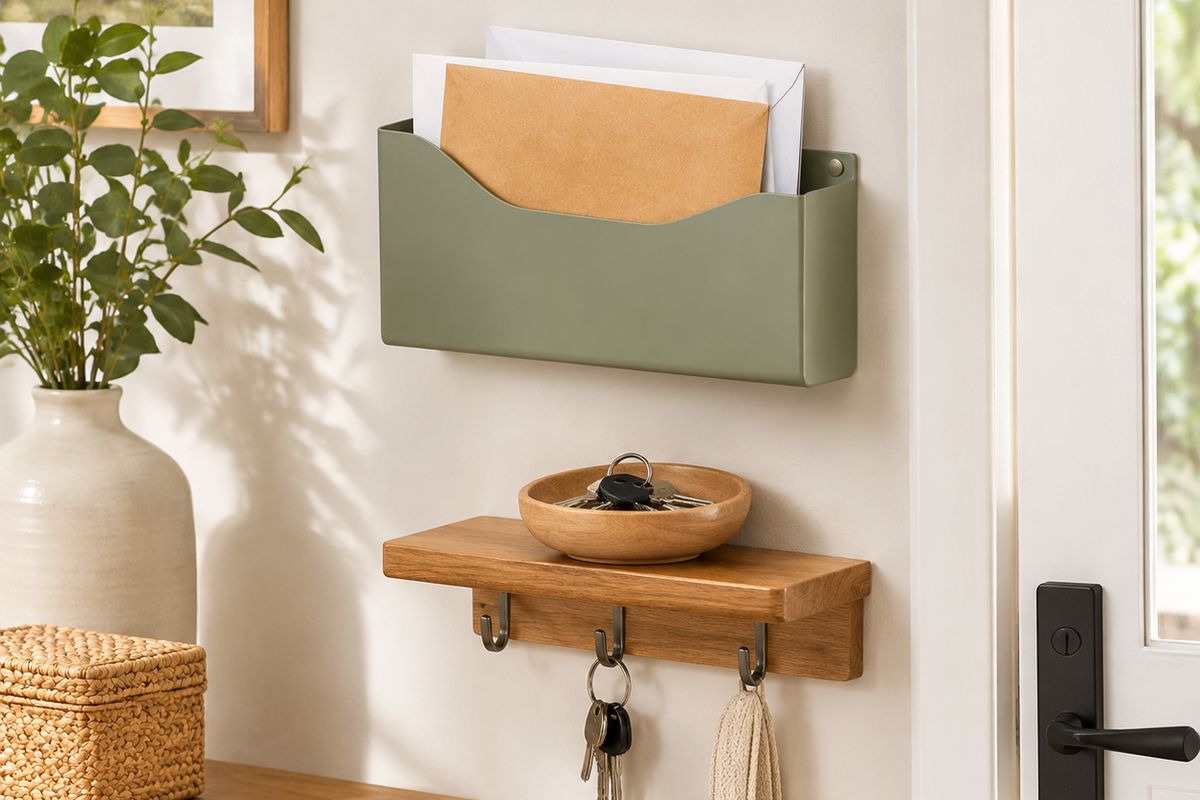
Notice which spots fill up again fastest. They are telling you something: maybe the mail needs a tray by the door, or coats need a hook where people actually take them off. Put the storage where the clutter lands, and it stops landing.
If you live with others
Start with your own things and shared spaces you control, such as the kitchen counter. Decluttering other people's belongings without asking causes conflict and rarely lasts. Instead, give each person a bin or shelf for their own stuff in shared rooms, and invite them to do one 15-minute session with you.
Kids can help from about age four: they can sort toys into keep and donate piles with a little guidance, and they are more likely to keep a space tidy they helped organize.
When it is more than clutter
Sometimes overwhelm at home comes with low mood, exhaustion or big life changes. That is common, and it is fine to go slower. Very short sessions, help from a friend, or a professional organizer can all make a difference. If you feel stuck in a way that affects your daily life, talking to a doctor or counselor is a good step too.
A one-week starter plan
- Day 1: one surface you see every morning.
- Day 2: the bathroom counter or cabinet.
- Day 3: the fridge, trash only.
- Day 4: one kitchen drawer.
- Day 5: the entryway floor and shoes.
- Day 6: one shelf of clothes.
- Day 7: drop off donations and enjoy the cleared spots.
Keeping it that way
Progress comes from small finished areas, not big unfinished plans. Clear one spot, protect it, and let that be enough for today.
When you are ready for more, try the 30-day declutter challenge, use the declutter checklist by room, or grab the free printable Declutter Kit.
Get the free Declutter Kit
A 7-page printable: room-by-room checklists, the 30-day challenge calendar and a 10-minute weekly reset. Free, straight to your inbox.
Everything mentioned in this guide
One list, so you can check sizes against your own measurements. Links go to Amazon; we may earn a commission.
Questions people ask
Where do I start decluttering when I am overwhelmed?
With the smallest spot you see every day, such as a nightstand or the bathroom counter. Set a 15-minute timer and start with trash.
How do I declutter with no motivation?
Lower the bar: one drawer, 15 minutes, trash only. Finishing something small builds motivation for the next session.
How long should a declutter session be?
15 to 30 minutes is enough for most people. Short, regular sessions beat long weekend marathons.
What do I do with things I feel guilty about letting go?
Remember that donating gives items a second life. Keep a photo if it helps, and set a limit, such as one memory box.