How to Declutter Your Closet: A Step-by-Step Method
To declutter your closet, work one category at a time: pull out all tops, then pants, then dresses and so on. Remove what does not fit, is damaged or has not been worn in a year, try on anything you hesitate over, and keep a dated maybe box. Bag donations and drop them off the same week.
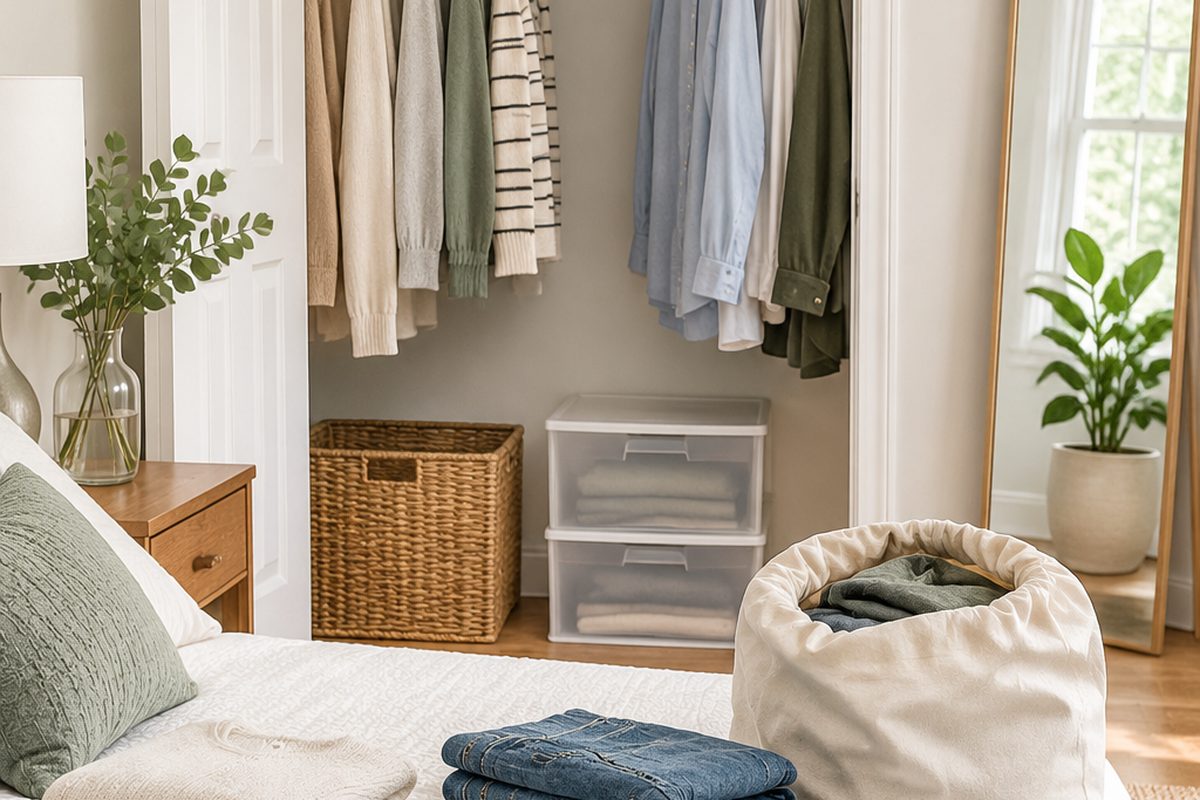
A full closet is not the same as a closet full of things you wear. Most of us reach for the same handful of outfits while the rest of the rod holds sizes that do not fit, gifts we feel guilty about and pieces that were a good idea in the store. That is why getting dressed feels harder when the closet gets fuller.
This method takes the emotion out of the job by giving you a sequence and a set of questions. You will sort by category instead of by shelf, decide quickly on the obvious items and slow down only for the hard ones. When you finish, you will know what to do with every bag. Once the closet is lighter, our guide on how to organize a closet helps you set up what is left.
- Block out time and set up your sorting stations
- Sort by category, not by shelf
- Do a fast first pass for the easy no's
- Try on anything you hesitate over
- Set a number for each category
- Use the reverse hanger trick for the rest
- Give the maybe box a deadline
- Handle sentimental clothing separately
- Finish with shoes, bags and accessories
- Put back what you kept in a smart order
1Block out time and set up your sorting stations
Give yourself two to three hours for an average reach-in closet, or split it into 30-minute sessions by category. Make your bed first, because a clear, flat surface is the easiest sorting table you have.
Set up four stations before you pull anything out: keep, donate, sell and trash or recycle. Add one small box for maybe. Use bags or boxes rather than piles, because piles on the floor blend back together. Have a full-length mirror nearby and wear something easy to change out of, since you will be trying things on. If you get overwhelmed easily, our guide on how to declutter when overwhelmed has a gentler starting point.
2Sort by category, not by shelf
Pulling out the whole closet at once often leaves you with a mountain on the bed at midnight. Instead, take out one category: all your tops, from the closet, the dresser and the laundry basket. Seeing every black T-shirt in one place shows you how many you really own.
A good order is casual tops, sweaters, pants and jeans, dresses and skirts, jackets, workwear, workout clothes, then shoes and accessories. Start with an easy category so you build momentum, and leave special occasion and sentimental clothing for last, when your decision muscles are warmed up.
3Do a fast first pass for the easy no's
Before trying anything on, go through the category and pull out what needs no thought. Anything stained, torn, stretched out or pilled beyond repair goes to textile recycling. Anything that does not fit your body right now, with no realistic plan to change that, goes to donate or sell.
Also pull out duplicates you never reach for, items with tags you regret buying, and things that need repairs you have been putting off for over a year. Be honest about the repair pile: if you will not take it to a tailor this month, let it go. This first pass usually clears more than people expect and makes the harder decisions feel smaller.
4Try on anything you hesitate over
For every piece you are unsure about, put it on and look in the mirror. A sweater that seemed fine on the hanger can turn out to be itchy, too short in the sleeves or a color that washes you out. You will often know within ten seconds.
Ask yourself whether you would wear it this week if it were clean. If the answer is no, ask why. If the reason is fit, comfort or style, it can go. If the reason is that it needs something to go with it, decide whether you will actually buy that missing piece. Most of the time you will not, and that is your answer.

5Set a number for each category
Limits make decisions faster. Look at how often you do laundry and how many items you actually use between washes. If you wash every week and wear jeans three times a week, five or six pairs is plenty, not twelve.
Write a rough number for each category on a sticky note before you start, for example 10 everyday tops, 4 sweaters, 3 jackets. Then keep your favorites until you hit the number. You can go over, but you will have to choose, and choosing between your own favorites feels much easier than choosing what to give away. Kids' and teens' closets work the same way, with numbers adjusted for growth spurts.
6Use the reverse hanger trick for the rest
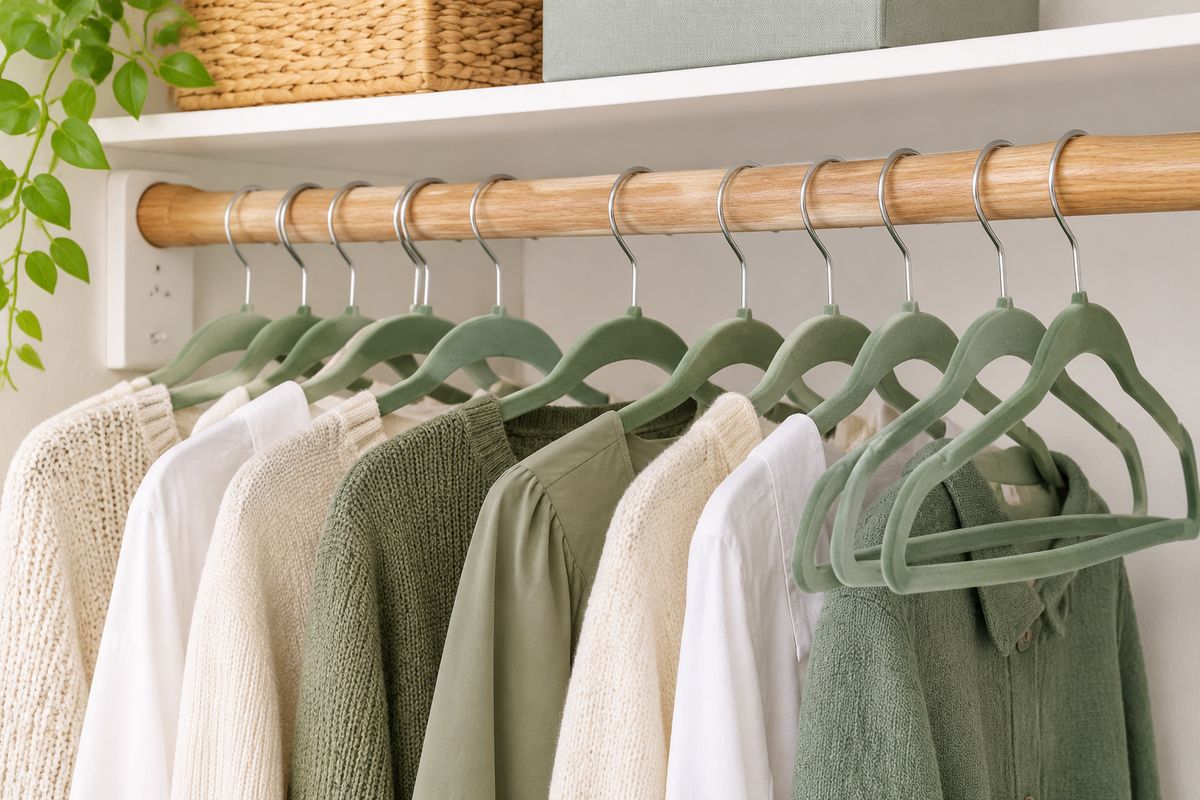
For clothes you cannot decide on, let your habits decide. Turn every hanger in the closet backward, with the hook facing you. Each time you wear something and put it back, hang it the normal way.
After about six months, or one full season for seasonal clothing, look at what is still hanging backward. Those are the pieces you did not choose even once, despite having every chance. Most of them can go without a second thought. The trick works best with matching hangers, so the direction is easy to see, and slim hangers also free up rod space right away.
7Give the maybe box a deadline
A maybe box lets you keep moving instead of stalling on one blazer. Put uncertain items in one box, seal it and write a date on the lid three to six months out.
Store it somewhere out of the way, such as the top shelf or under the bed. If you need something from the box before the date, take it out and wear it. That item has earned its place. When the date comes, donate the box without opening it if you can. If you did not miss anything enough to go looking for it, you will not miss it once it is gone.
8Handle sentimental clothing separately
Wedding dresses, a parent's old sweater, concert T-shirts and baby clothes are not really clothing decisions. Pull them out of the closet entirely and give them their own box, so they do not take up daily space.
For each item, decide whether you want to keep it in the original form or keep the memory in a smaller way. Many people photograph a piece before donating it, keep a single square of fabric, or turn a stack of T-shirts into a quilt. Store what you keep in a breathable fabric bin or garment bag, not a dry-cleaning plastic bag, and label it clearly.
9Finish with shoes, bags and accessories
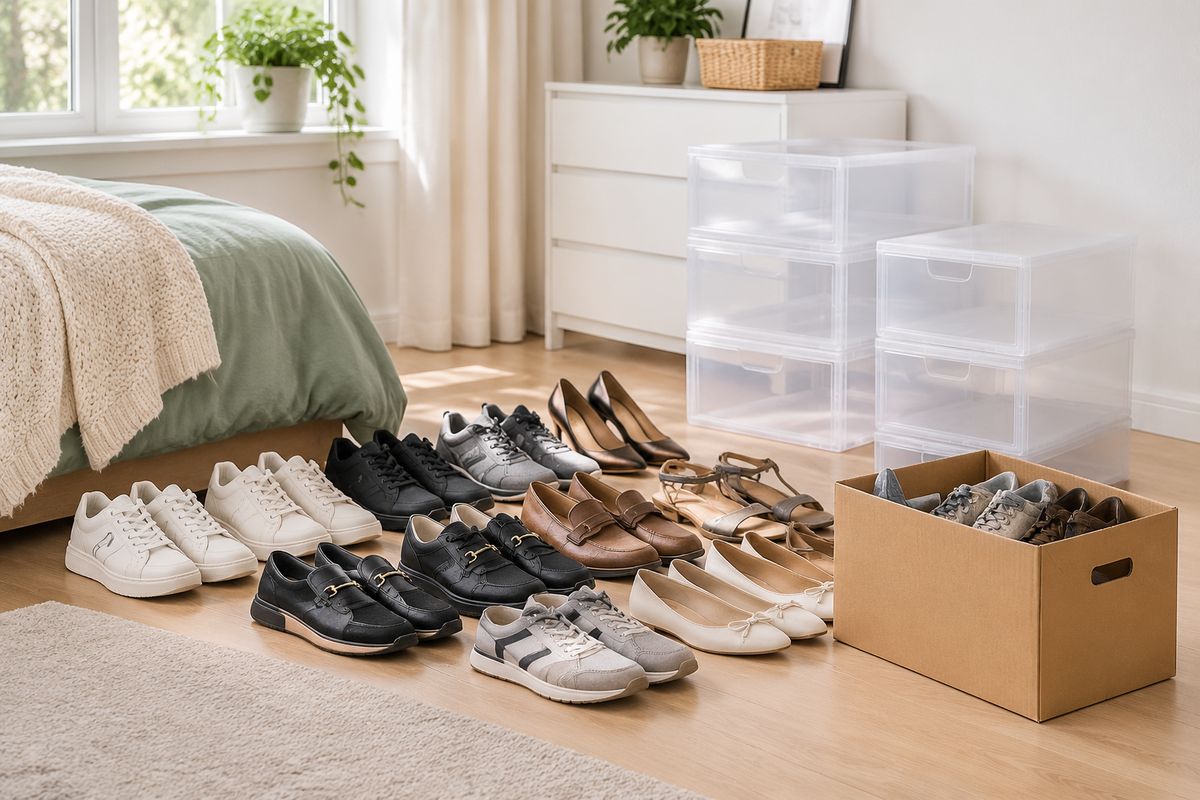
Shoes take up more closet space than they seem to. Line them all up and pull out pairs that hurt, have worn-through soles you will not repair, or have not been worn in a year. Belts, scarves, hats and bags get the same treatment: keep the ones you actually use and the few that are special.
A quick count helps here too. Most people need everyday shoes, workout shoes, one dressy pair and seasonal boots, plus a few favorites. For keeping the remaining pairs visible, see our small closet organization ideas, which include over-the-door and stacking options.
10Put back what you kept in a smart order
Return clothes in the order you use them: everyday items at eye level and arm's reach, occasional items toward the ends of the rod, off-season items on the top shelf or in labeled bins. Group by category, then by color within each group, so you can see at a glance when you have too many of something.
Leave about an inch or two between hangers. If the rod is still packed shoulder to shoulder, the closet will refill quickly. Want a second rod for shirts and pants? The closet rod calculator gives you heights based on what you hang. Folded items go in drawers; see dresser drawer organization ideas for file folding.
Questions to ask about every piece
When you get stuck, run through these quickly. Two or three no's usually mean the item can go.
- Does it fit me right now, comfortably?
- Have I worn it in the past 12 months, or in the last full season for seasonal pieces?
- Would I buy it again today?
- Do I feel good when I wear it?
- Does it go with at least two other things I own?
- Is it in good condition, or will I actually repair it this month?
- Am I keeping it only because of what it cost or who gave it to me?
Where to take what you remove
The decluttering is only finished when the bags leave the house. Match each pile to the right place, then drop it off within a week.
| Condition | Best destination | Tips |
|---|---|---|
| Clean, wearable, everyday clothes | Donation centers, thrift stores, shelters | Call shelters first; many need specific items like coats or work clothes |
| Designer, barely worn or vintage pieces | Consignment shops or resale apps | Photograph and list within a week, or donate instead |
| Kids' clothes in good shape | Friends, family, local parent groups | Bag by size and season so the next family can use them right away |
| Stained, torn or worn-out textiles | Textile recycling drop-off | Check local rules; many curbside programs do not take textiles |
| Shoes in wearable condition | Donation centers or shoe drives | Tie or rubber-band pairs together |
| Moldy or heavily soiled items | Trash | Do not donate items that would have to be thrown away by the charity |
Donation rules vary by organization and location. Check online or call before you load the car, especially with large bags.
Keeping it that way
Decluttering a closet is a skill, and it gets faster every time. The first round might take an afternoon. The next one, six months from now with the hanger trick already running, might take 30 minutes. The goal is a closet where everything fits, everything is visible and getting dressed takes a minute.
Want to keep track of the rest of the house too? Download our free declutter checklist and work through the bedroom, kitchen and bathroom next.
Get the free Declutter Kit
A 7-page printable: room-by-room checklists, the 30-day challenge calendar and a 10-minute weekly reset. Free, straight to your inbox.
Everything mentioned in this guide
One list, so you can check sizes against your own measurements. Links go to Amazon; we may earn a commission.
Questions people ask
How do I start decluttering my closet when I feel overwhelmed?
Pick one category, like T-shirts, and give yourself 20 minutes. Pull out only the obvious no's: things that do not fit or are damaged. Small wins make the next session easier.
What is the hanger trick?
Turn every hanger backward. When you wear something and put it back, hang it the normal way. After about six months or one season, items still hanging backward are the ones you did not choose, and most of them can go.
How many clothes should I keep?
There is no right number. Base it on how often you do laundry and how many items you use between washes, then keep your favorites up to that number in each category.
Should I keep clothes that might fit again?
Keep a small selection of pieces you truly love in a labeled box, and donate the rest. If your size changes, you will likely want new clothes that fit your current style anyway.
What do I do with clothes that cannot be donated?
Take stained, torn and worn-out textiles to a textile recycling drop-off. Some retailers also run take-back bins. Only items that are moldy or heavily soiled should go in the trash.
How often should I declutter my closet?
A light edit at each change of season works well, with a deeper session once a year. January is a popular time because new gifts need space and you remember what you wore over the holidays.