How to Organize Your Kitchen: A Step-by-Step Guide
To organize your kitchen, declutter first, then set up zones around how you cook: cooking, prep, cleaning, food storage and serving. Use the full height and depth of cabinets with risers and pull-outs, give each drawer one job, keep only daily items on counters, make the pantry and fridge easy to see, work around sink pipes and label everything.
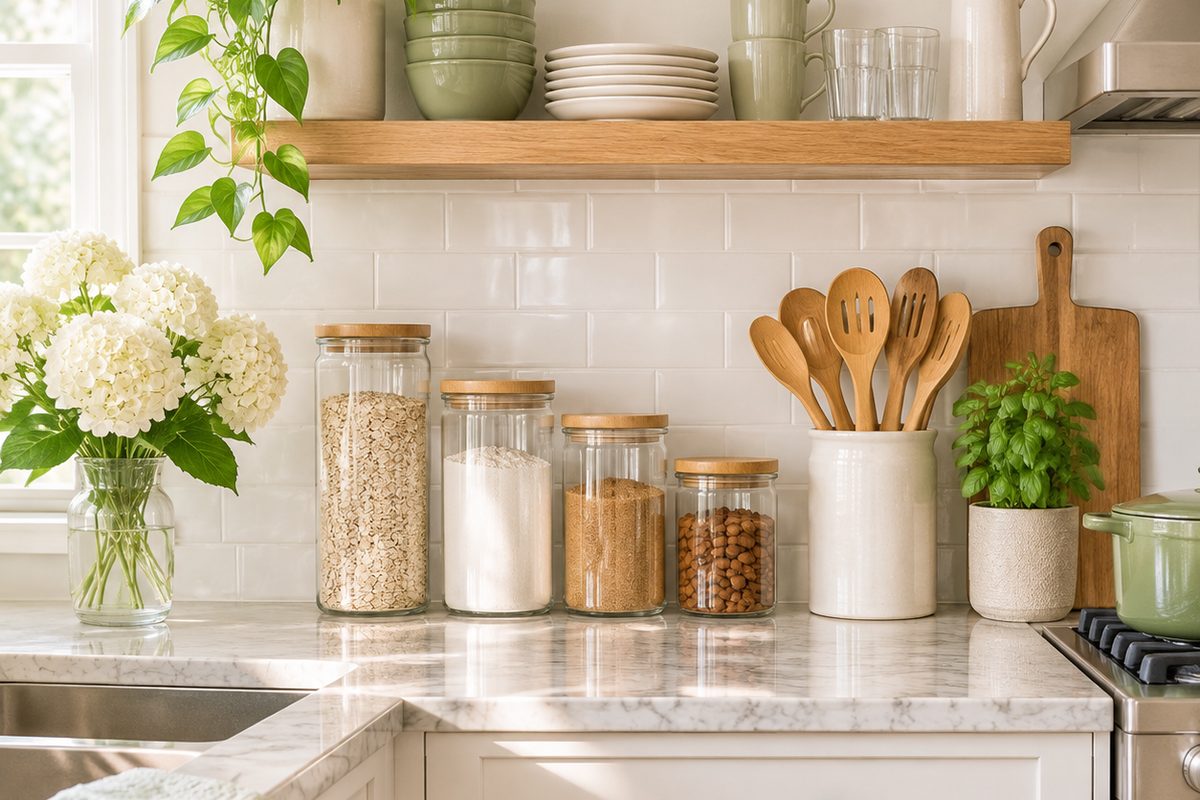
A well-organized kitchen is not the one with the most containers. It is the one where you can cook dinner without moving three things to reach a pan, and where clean dishes go away in two minutes. That comes from the order you work in more than from anything you buy.
This guide walks through the whole kitchen in the order that works: declutter, set up zones, then tackle each area. Each step links to a detailed guide for that space, and the full list of our kitchen guides is at the end.
1Declutter before you organize
Take out duplicates, broken tools, gadgets you have not used in a year and anything that does not belong in a kitchen. Expect to remove more than you think: three can openers, a stack of mugs, takeout containers without lids.
Work one cabinet or drawer at a time so the kitchen stays usable. Our declutter checklist by room has a kitchen list to follow.
2Set up zones around how you cook
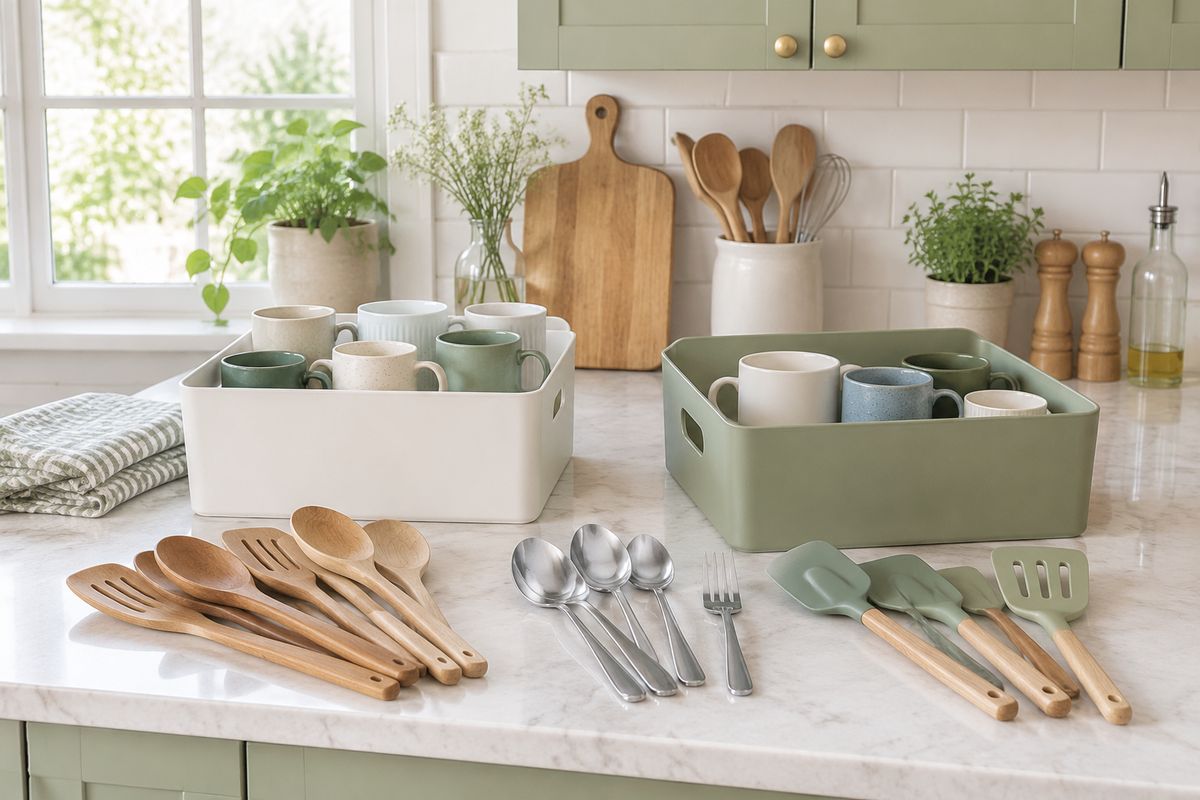
Think of the kitchen as four or five zones: cooking (stove), prep (the longest counter), cleaning (sink and dishwasher), food storage (fridge and pantry) and serving (dishes and glasses). Store every item in the zone where you use it.
Pots, oils and spatulas go near the stove; knives and cutting boards near the prep counter; plates and glasses near the dishwasher so unloading takes a minute; containers and wraps near the fridge.
3Cabinets: use the full height and depth
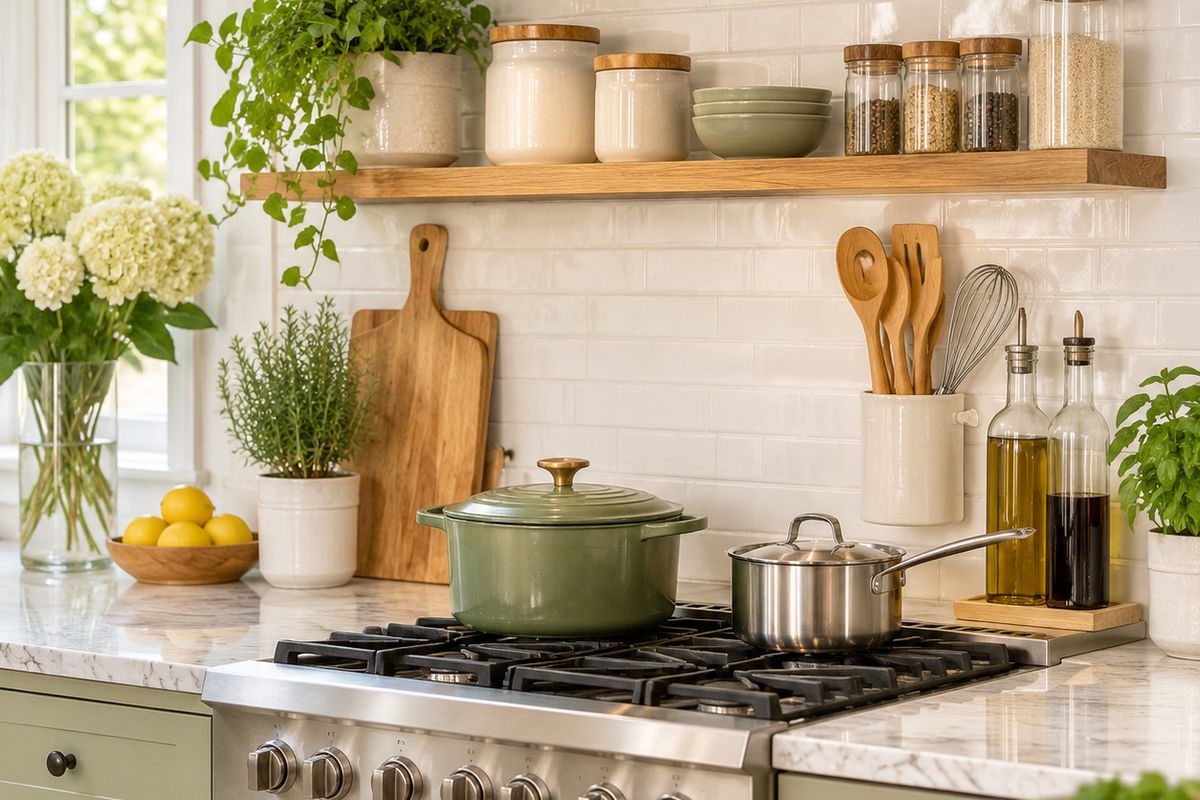
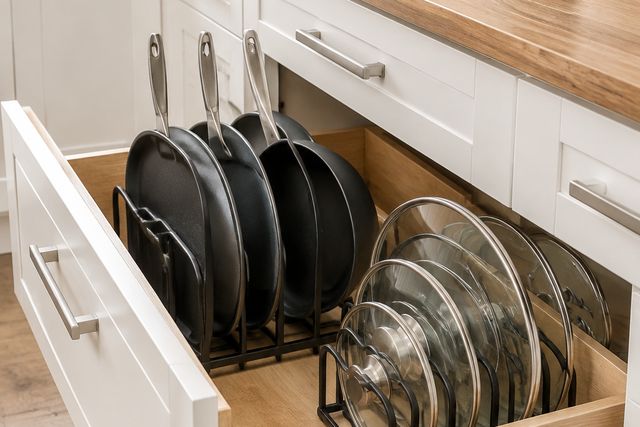
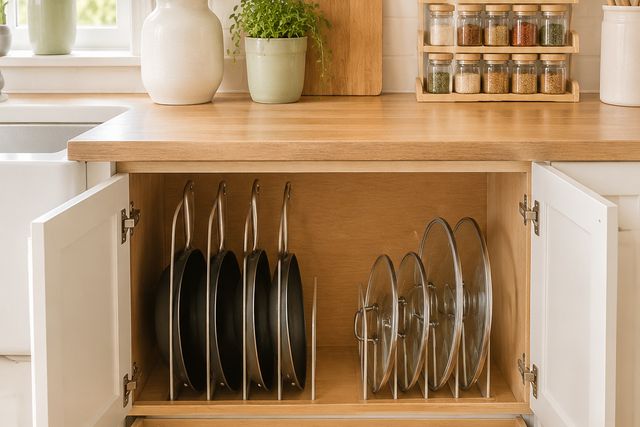
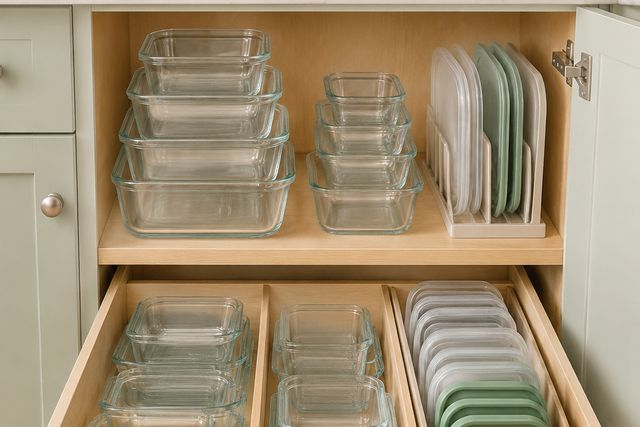
Most cabinet space is lost above short stacks and at the back of deep shelves. Shelf risers double plate storage, pan racks stand pans on edge, and pull-outs bring the back of lower cabinets to you. See kitchen cabinet organization ideas and pots and pans organization ideas.
Before buying anything for a cabinet, write down its width, depth and height, and note hinges, face frames and pipes. A riser that is one inch too tall stops the door from closing; a pull-out one inch too wide will not go through the opening. With measurements in hand, you can also check whether you need an organizer at all: often moving items between cabinets solves the problem for free.
4Drawers: one job each
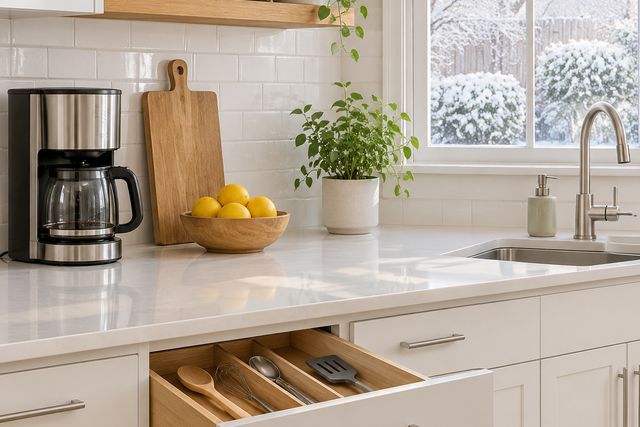
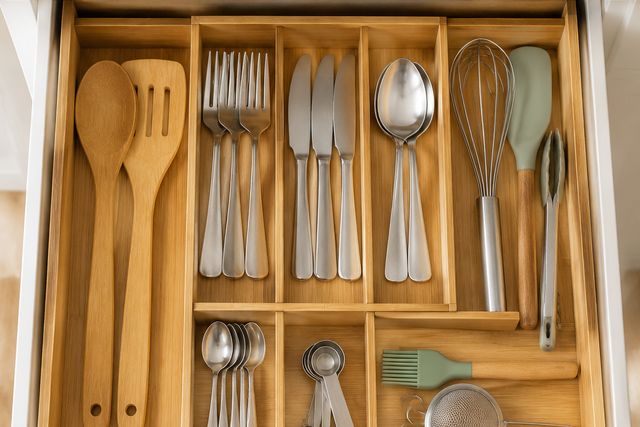
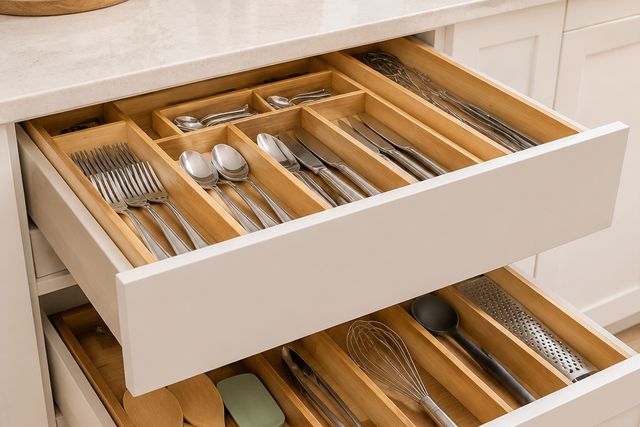
Give every drawer one category: cutlery, cooking tools, wraps and bags, linens, a small junk drawer. Use an expandable tray or dividers so nothing slides around. Details in kitchen drawer organization ideas and our guide to the best drawer organizers.
Keep one small junk drawer on purpose. Every home needs a place for batteries, tape, scissors and takeout menus, and a planned junk drawer with a tray stops those things from spreading into every other drawer.
5Counters: only what you use daily
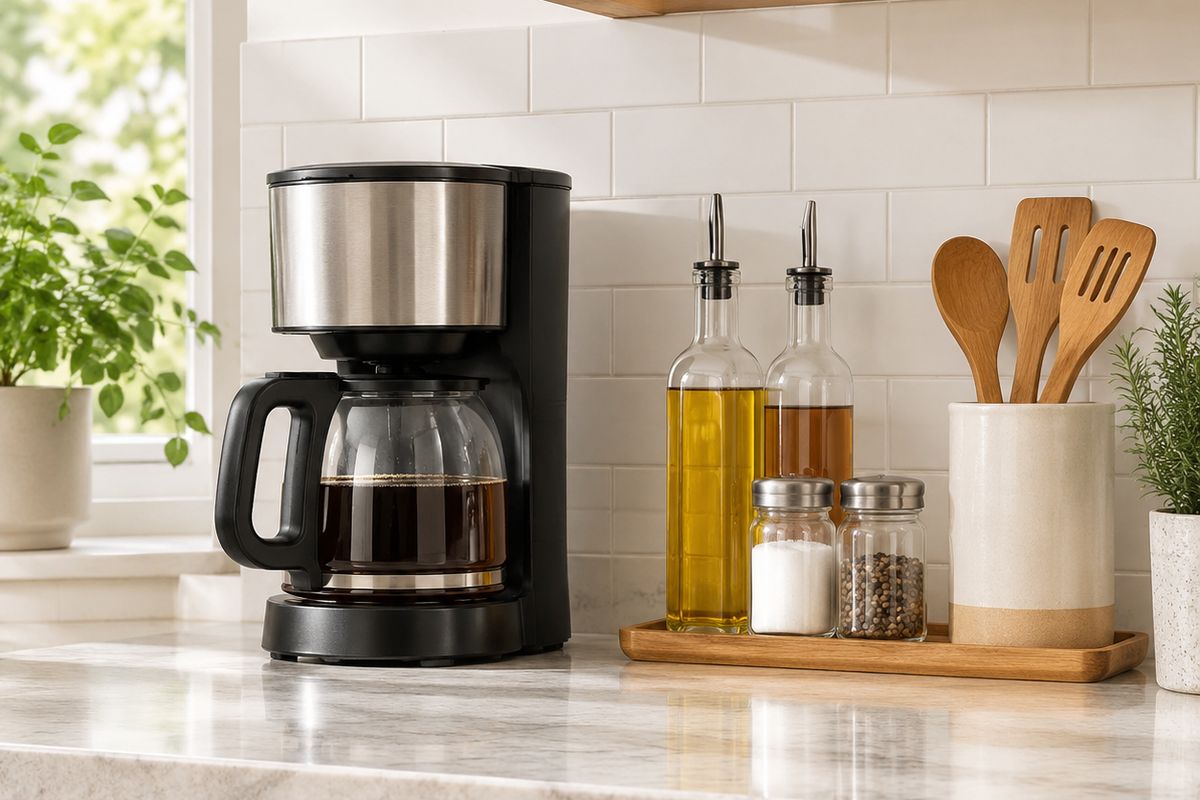
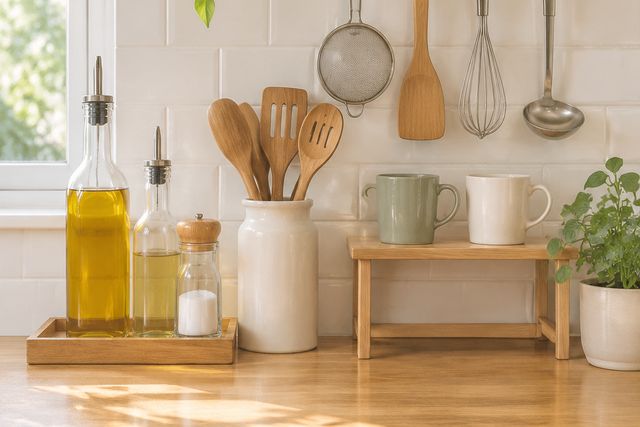
Clear counters make the kitchen feel bigger and easier to clean. Keep only daily items out: the coffee maker, a utensil crock, oils on a tray by the stove. Everything else gets a cabinet. More in small kitchen counter organization ideas.
A tray is the secret to counters that look tidy even when they hold things: oil, salt and pepper on a tray by the stove, dish soap and a brush on a small tray by the sink. Wiping around a tray takes seconds, and the items look like a set instead of clutter.
6Pantry and fridge: see what you have
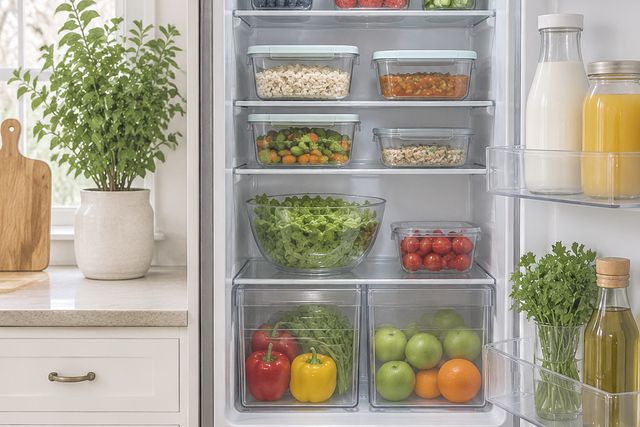
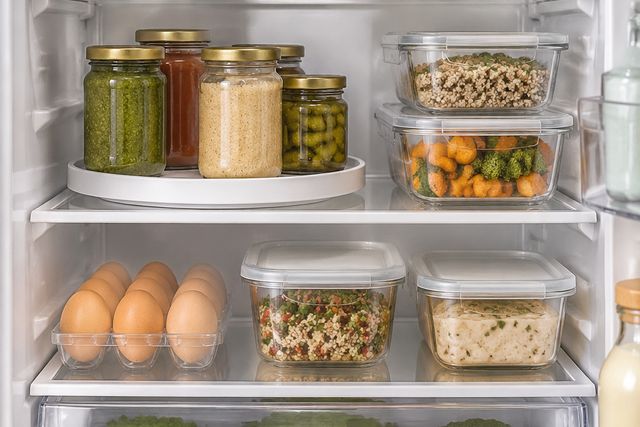
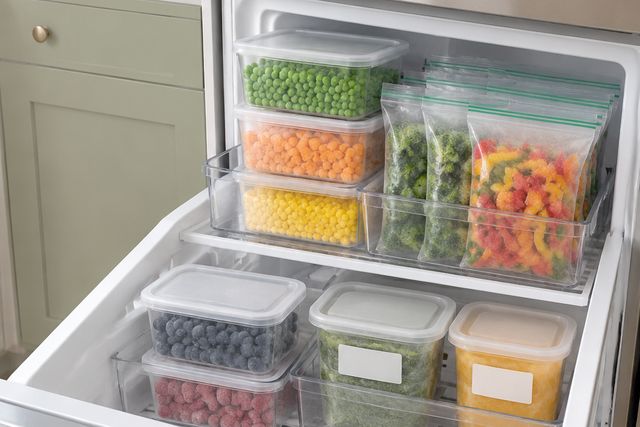
Group food by type, keep the most used at eye level and bring the back row forward with bins and risers. In the fridge, add an eat-first bin for leftovers. Follow how to organize a pantry and fridge organization ideas.
Keep a running grocery list on the fridge or in your phone, and add to it the moment something runs low. It is the link between an organized pantry and fewer duplicate purchases.
7Under the sink: work around the pipes
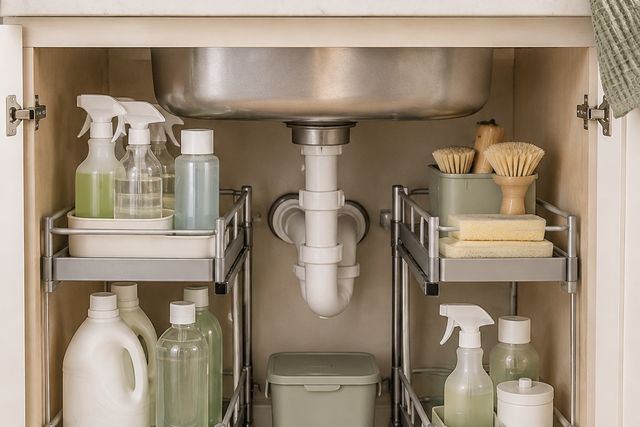
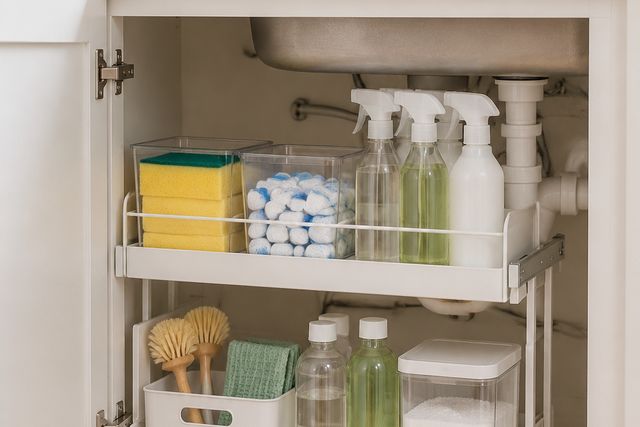
Measure the space on each side of the plumbing, use pull-outs or an expandable shelf, and hang spray bottles from a tension rod. Full guide: under sink organization ideas.
8Label and keep a reset routine
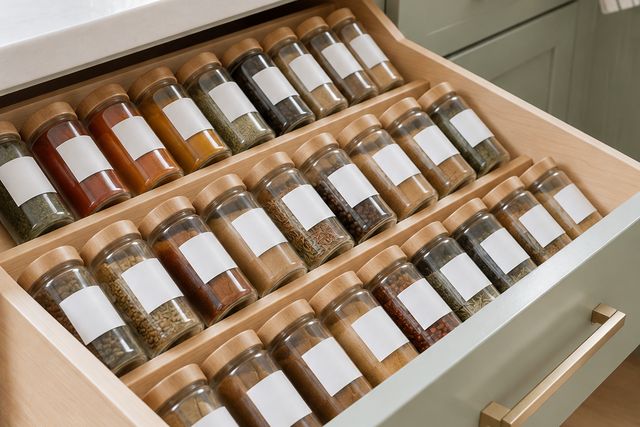
Labels on pantry shelves, bins and drawers tell everyone where things go back. Then keep one small habit: clear the counters every evening and do a ten-minute fridge and pantry check before shopping.
Label for the person who did not organize the kitchen. If your partner, roommate or kids can find the colander and put it back without asking, the system will last.
Small kitchen? Start here
- Use walls: a rail with hooks, a magnetic knife strip, a pegboard.
- Use cabinet doors for lids, cutting boards and wraps.
- Add a rolling cart in a gap beside the fridge.
- Store rarely used appliances outside the kitchen.
- Pick nesting bowls, collapsible colanders and stackable containers.
In what order should you organize a kitchen?
Start with the area that slows you down most every day, usually a counter or the cabinet with pots and pans. Then do drawers, then the pantry and fridge, and leave the top shelves and above-the-fridge cabinet for last. Doing one area per day, the whole kitchen takes about a week of short sessions.
What to buy (and what to skip)
Most kitchens only need a handful of organizers to work well: a cutlery tray, drawer dividers, one or two shelf risers, a pan rack, a pull-out for the deepest lower cabinet, a turntable for oils, and a few clear bins for the pantry and fridge. Our guides to the best drawer organizers, best pantry storage containers and best under sink organizers compare the options.
Skip large matching container sets until you know which foods you actually decant, single-purpose gadgets that take a whole drawer, and decorative canisters that are hard to clean. Measure, buy one organizer, live with it for a week, then buy the next.
Keeping a family kitchen organized
- A low drawer or shelf for kids' plates, cups and snacks so they can help themselves.
- A landing tray by the door for lunch boxes and water bottles.
- A charging spot away from the cooking area.
- One basket for mail and school papers, emptied weekly.
- Ten minutes after dinner: counters cleared, dishwasher loaded, tomorrow's lunch containers out.
Every guide in this series
Keeping it that way
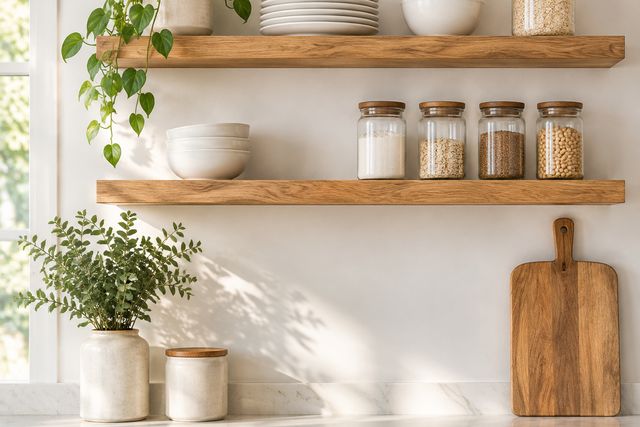
Organize for the way you cook today, not for an imagined kitchen. Live with the setup for a week, then move anything you keep reaching across the room for. For the finishing touches, see how to style open kitchen shelves, our free printable pantry labels and the free fridge inventory printable.
Get the free Declutter Kit
A 7-page printable: room-by-room checklists, the 30-day challenge calendar and a 10-minute weekly reset. Free, straight to your inbox.
Everything mentioned in this guide
One list, so you can check sizes against your own measurements. Links go to Amazon; we may earn a commission.
Questions people ask
How do I start organizing my kitchen?
Declutter one cabinet or drawer at a time, then set up zones so every item is stored near where you use it.
What should be kept on kitchen counters?
Only what you use daily, such as the coffee maker, a utensil crock and cooking oils on a tray. Everything else goes in cabinets.
How do I organize a kitchen with little storage?
Use the walls, cabinet doors and the space above the fridge, add a rolling cart, and keep only the tools you use regularly.
How long does it take to organize a kitchen?
About a week of 30-minute sessions, one area per day, or a full weekend for most kitchens.
Should I organize the kitchen before or after decluttering?
After. Decluttering first shows how much space you really need, so you buy fewer organizers and they fit better.