How to Organize a Small Apartment: Room by Room
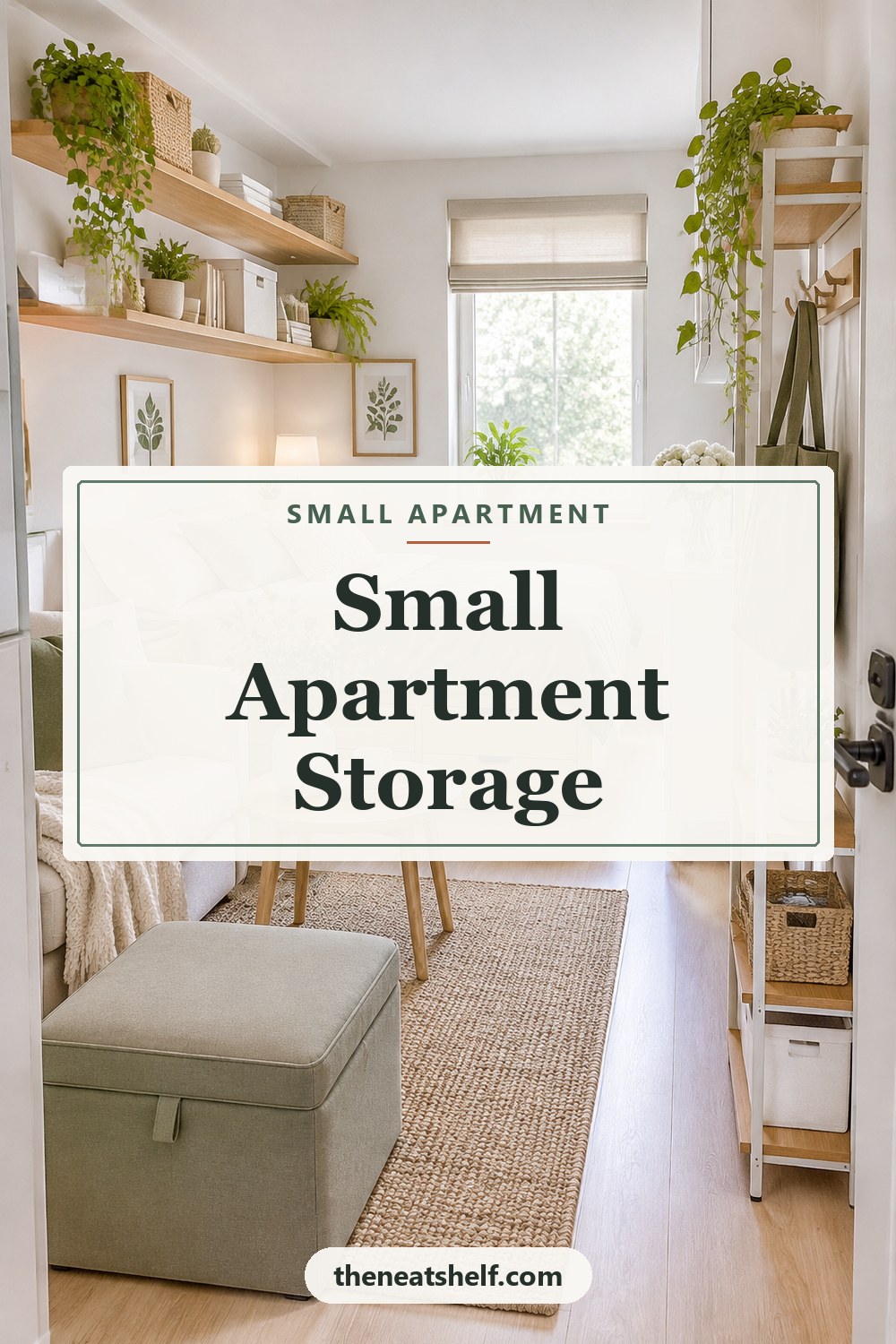
To organize a small apartment, declutter before you buy storage, then keep the floor clear by going vertical on every wall. Use the space under the bed, choose furniture that stores, set up an entry drop zone, make kitchen doors and walls work harder, fit a slim laundry corner and build a compact workspace with cable management.
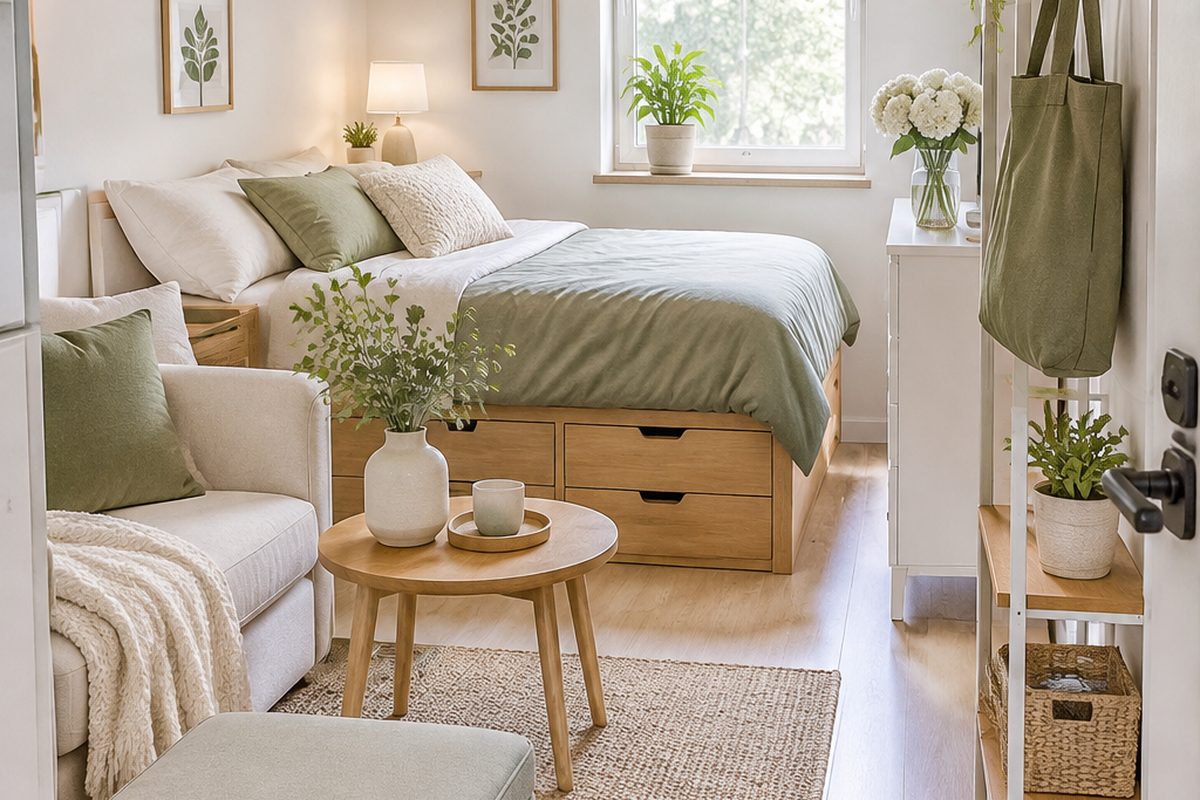
In a small apartment, every item competes for the same few square feet. That is why organizing a small space is mostly about two things: owning less, and storing what you keep on walls, under furniture and behind doors instead of on the floor.
This guide goes room by room, with options that work for renters, and links to our detailed guides. The full list of small-space, entryway and laundry guides is at the end.
1Declutter before you buy storage
Storage furniture takes space too. Before buying anything, go through each room and let go of what you do not use. The 30-day declutter challenge works well in small apartments, one small area a day.
Pay special attention to big items: furniture you do not use, a second desk chair, a bulky bookcase, boxes that were never unpacked after the move. In a small apartment, letting go of one large piece can free more space than any organizer.
2Go vertical on every wall
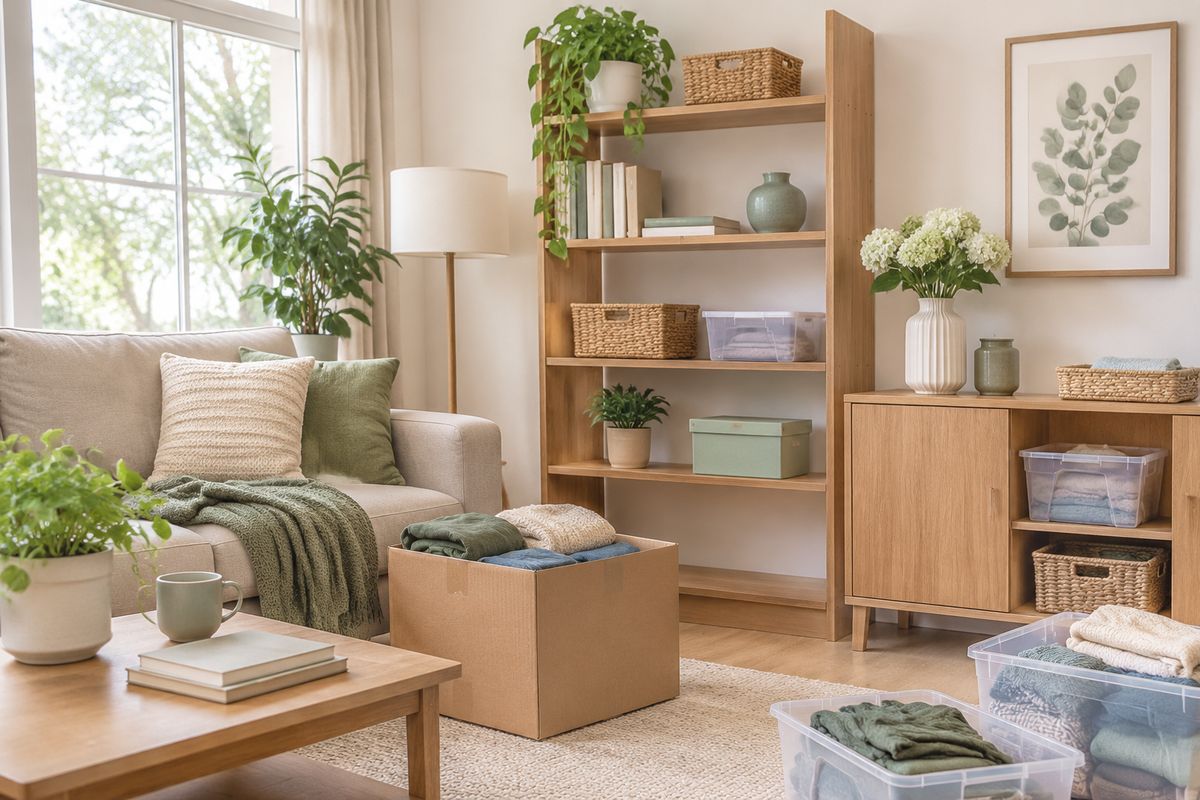
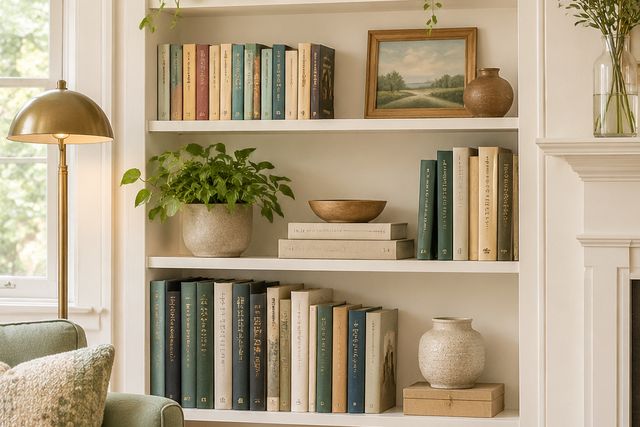
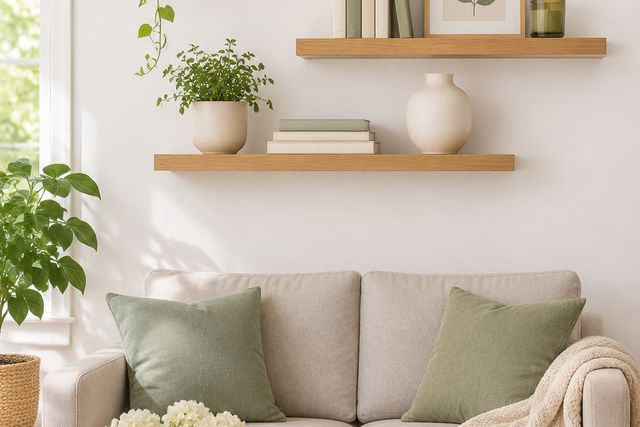
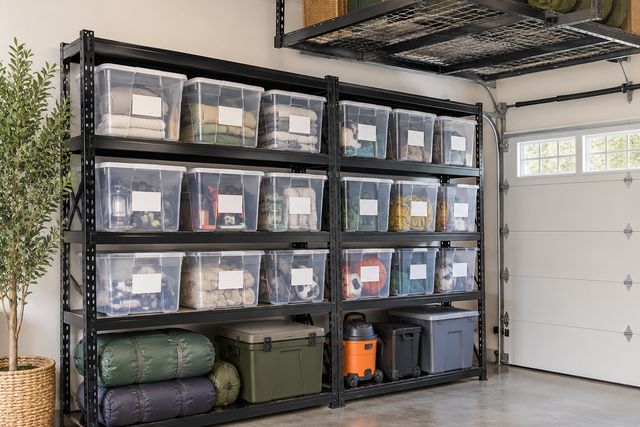
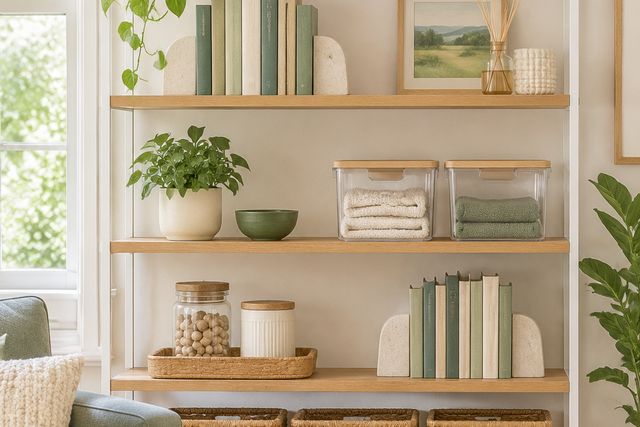
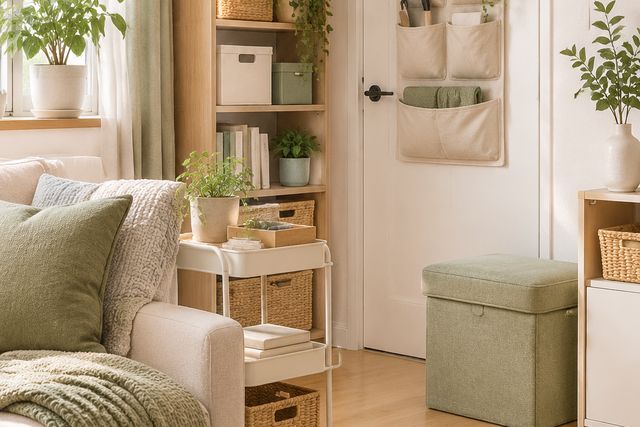
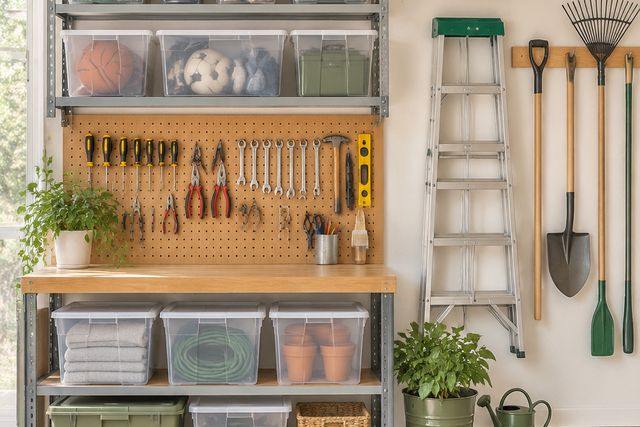
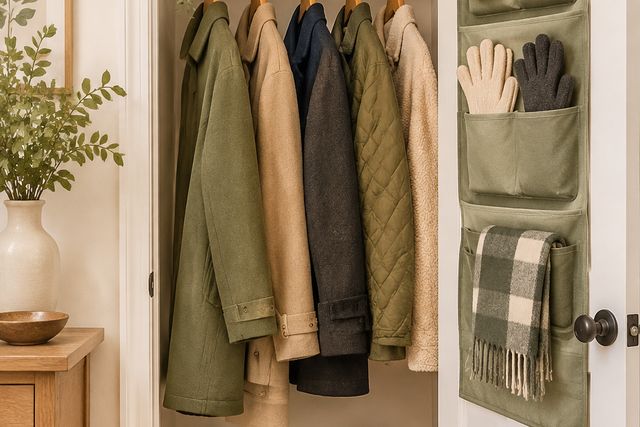
Tall shelves, wall-mounted racks and over-the-door organizers use the height most apartments waste. Keep the floor as clear as possible; a clear floor is what makes a small room feel bigger. See how to organize shelving.
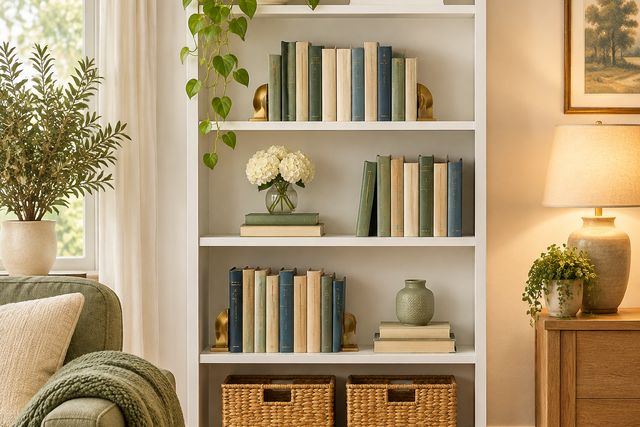
Choose shelves that go almost to the ceiling and use the top shelf for things you rarely need, in matching labeled bins. Tall furniture should be anchored to the wall; many landlords allow anti-tip kits because they are a safety requirement.
3Use the space under the bed
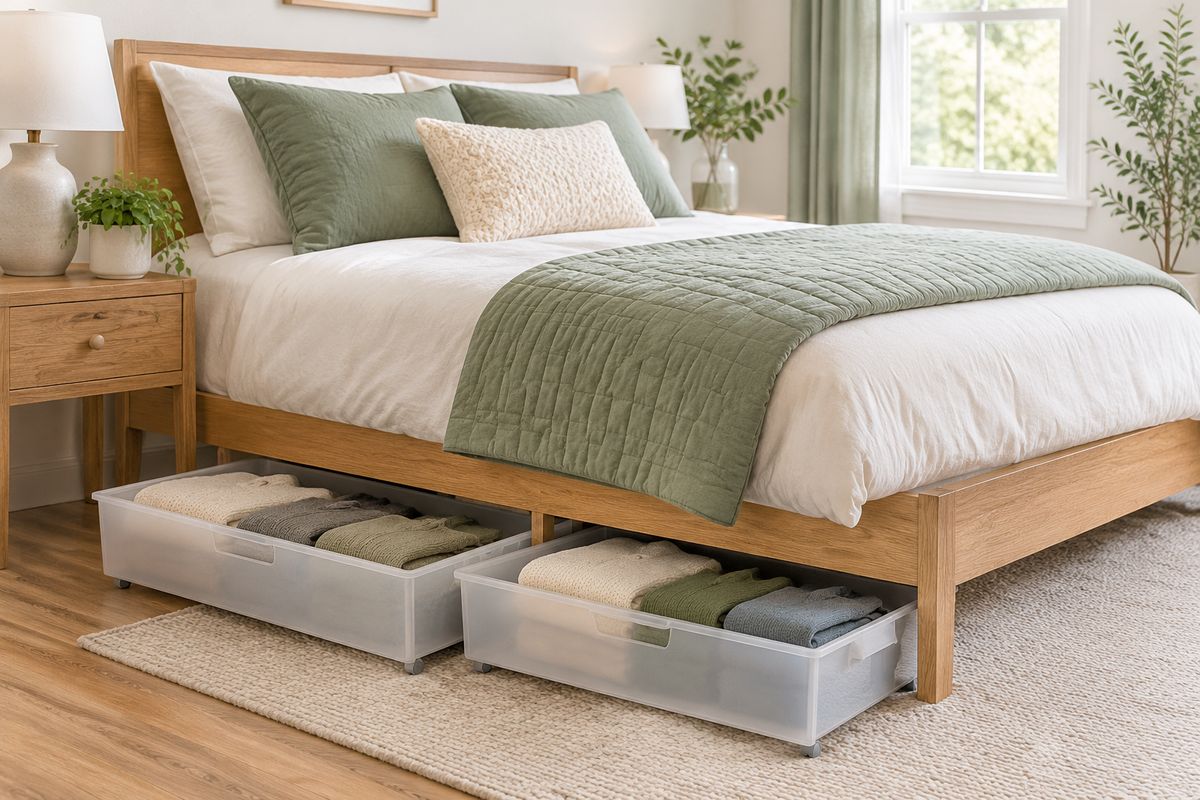
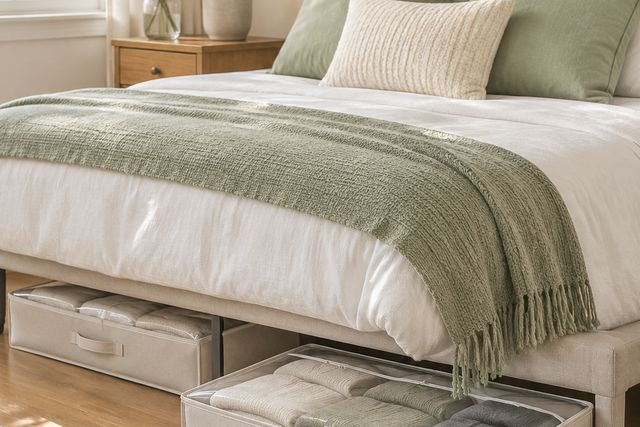
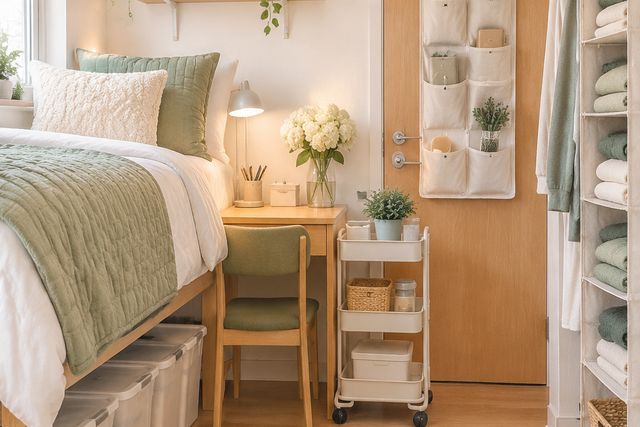
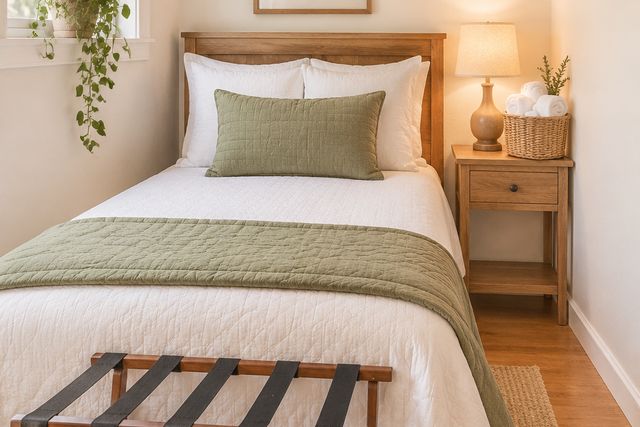
Under-bed drawers or zippered bags hold off-season clothes, bedding and shoes. Bed risers add a few inches if your bed sits low. Full guide: under bed storage ideas.
Measure the clearance under your bed before buying containers. Rolling drawers are easiest to use daily; zippered fabric bags are lighter and good for bedding and off-season clothes.
4Choose furniture that stores
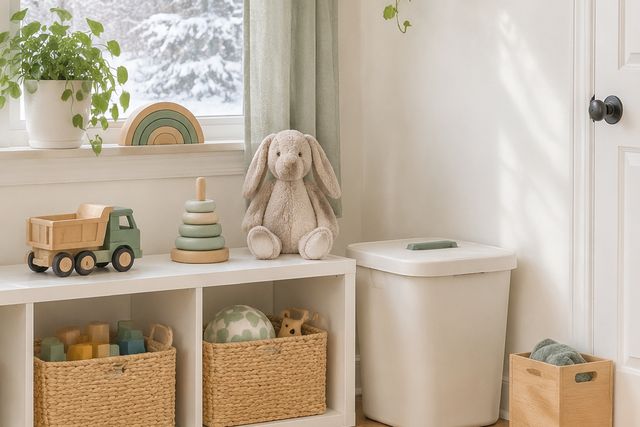
A storage ottoman, a bed with drawers, a coffee table with a shelf and a bench with cubbies at the door all give you hidden storage without extra footprint.
When buying furniture for a small space, look for legs: furniture that sits up off the floor lets light through and makes the room look bigger, and you can slide baskets underneath.
5Create an entry drop zone
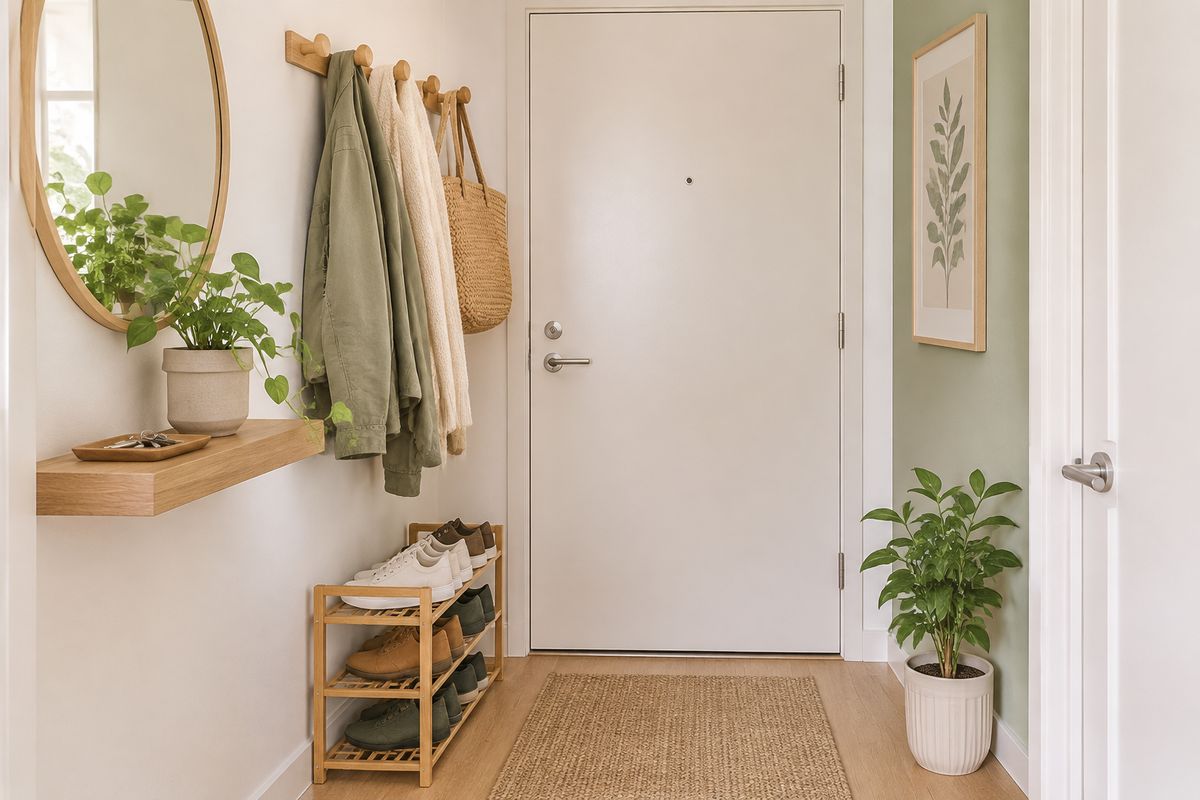
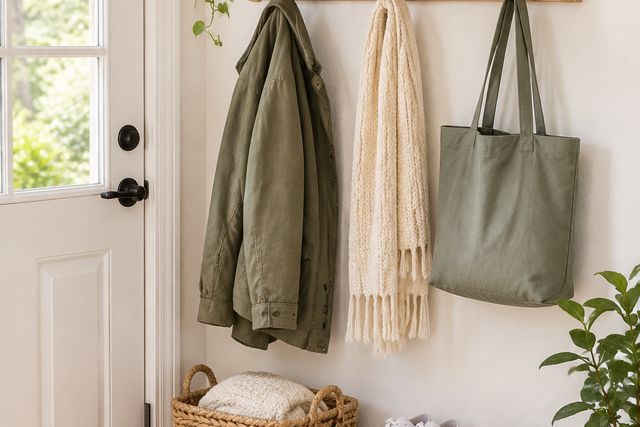
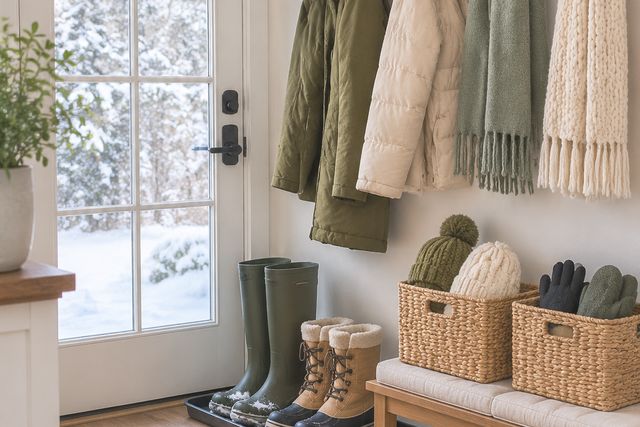
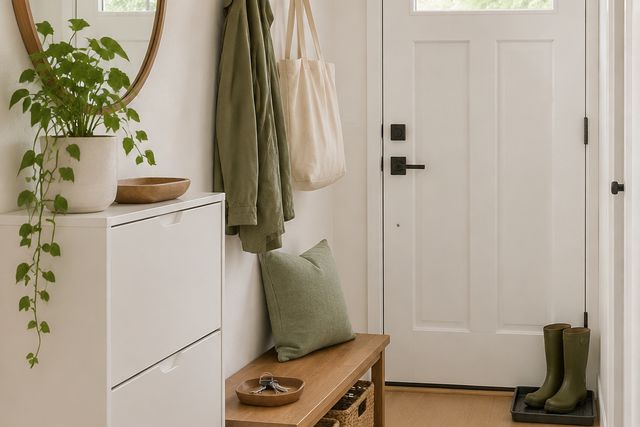
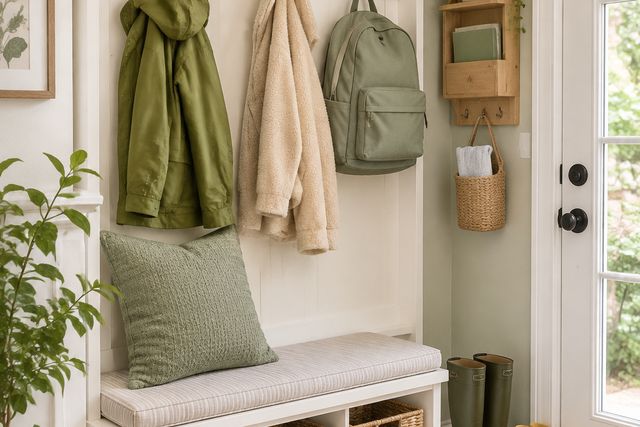
Even without an entryway, set up a hook per person, a tray for keys and a slim shoe rack by the door. Ideas in small entryway shoe storage ideas and small mudroom ideas.
6Make the kitchen work harder
Use cabinet doors, the wall behind the counter, and the top of the fridge. A rolling cart fills the gap between appliances. See how to organize your kitchen.
7Fit a laundry and cleaning corner
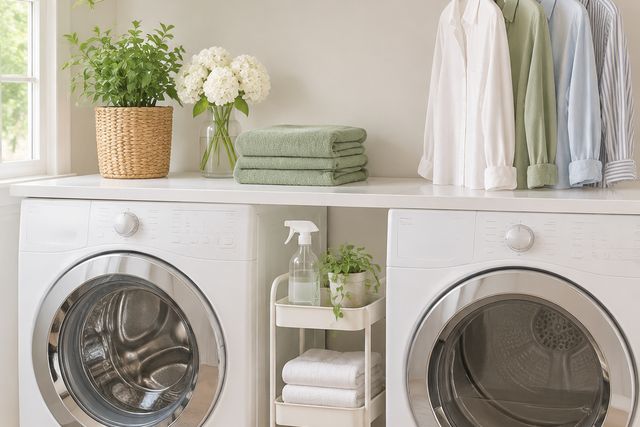
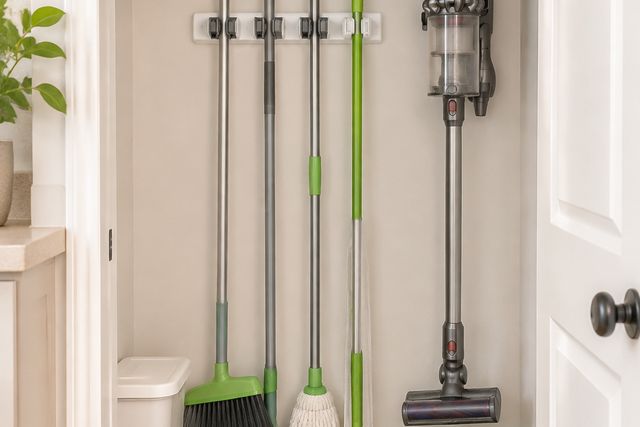
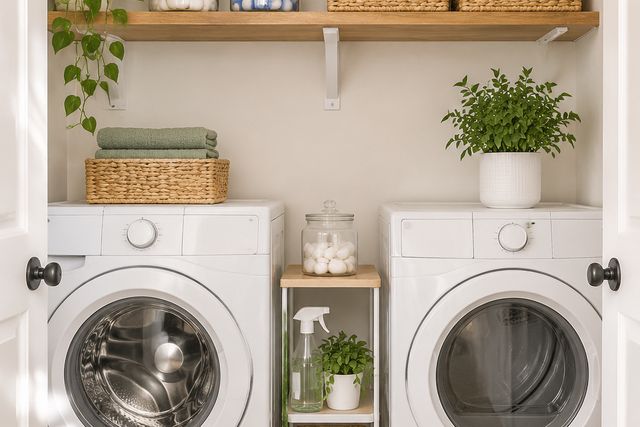
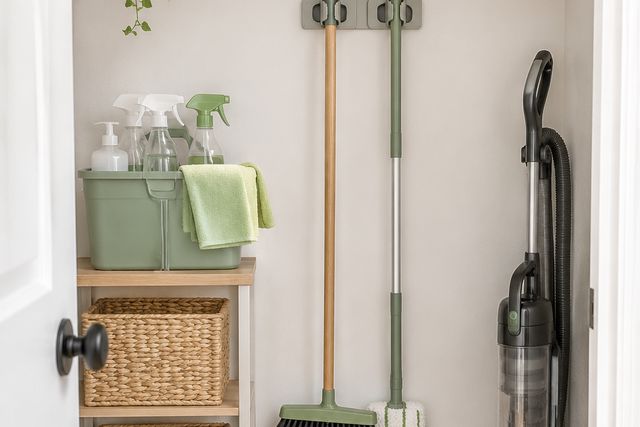
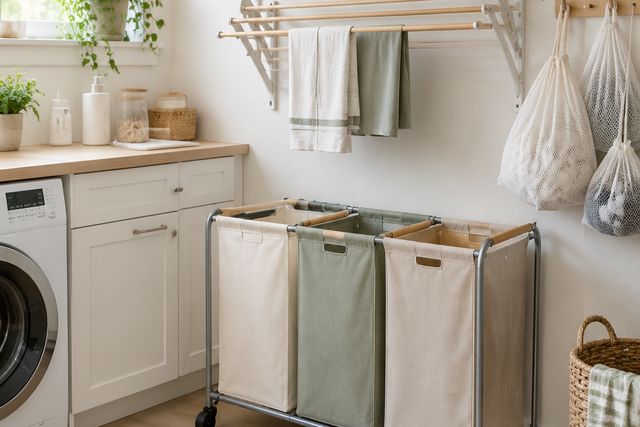
A slim cart beside the washer, a wall rack for the ironing board and a collapsible drying rack keep laundry from taking over. See small laundry room organization ideas and broom closet organization.
8Set up a small workspace
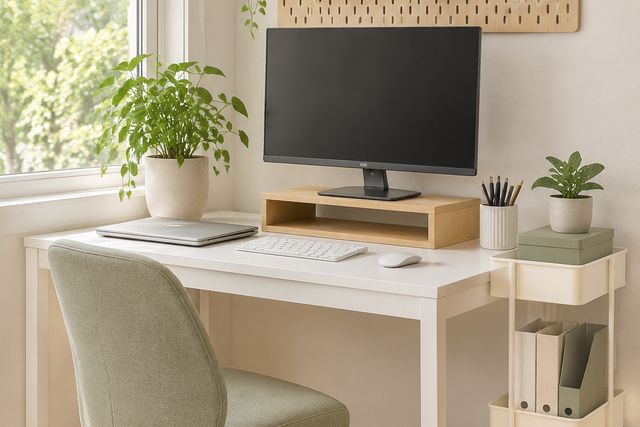
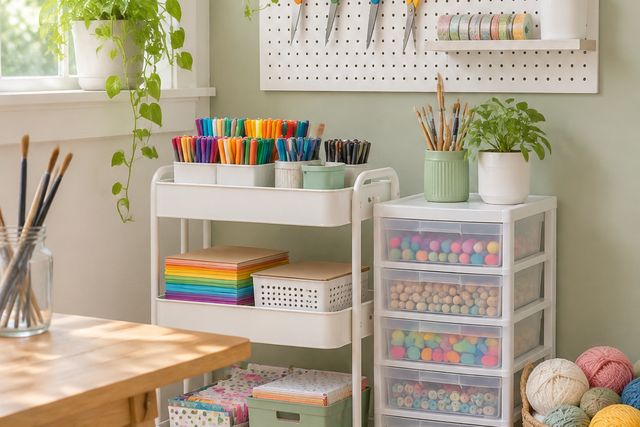
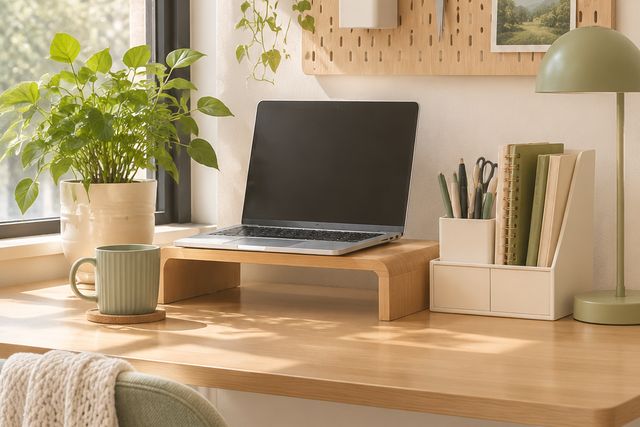
A wall-mounted desk or a small desk with shelves above, a monitor riser and cable management make a corner work as an office. See small desk organization ideas and cord and cable organization.
If you have no room for a desk, a narrow console table behind the sofa or a fold-down wall desk can be a workspace by day and disappear in the evening.
Renter-friendly rules
- Tension rods and poles instead of drilled brackets.
- Adhesive hooks and strips rated for the weight.
- Freestanding shelves, carts and over-the-door racks.
- Command-style picture ledges instead of floating shelves.
- Keep every original screw and part to put things back when you move out.
The one-in, one-out habit
Small apartments fill up quickly. When something new comes in, something similar leaves: a new mug means one old mug goes. It sounds strict, but it is the only reliable way to keep a small space from slowly overflowing.
Studio apartment layout tips
In a studio, create zones with furniture rather than walls: a bookcase or a rug can separate the sleeping area from the living area. Keep the bed side calm, with closed storage, and put open shelves in the living zone. A folding screen or curtain can hide the bed or a clothes rack when guests come.
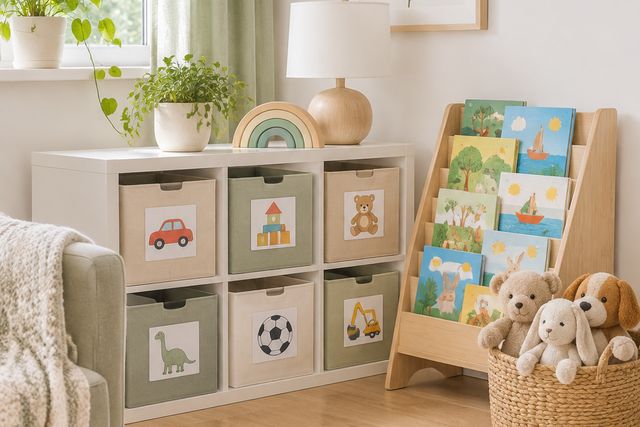
Choose one color family for bins, baskets and textiles. In a small space, fewer colors make the whole apartment look more organized.
Small apartment storage checklist
- Under-bed drawers or bags.
- Over-the-door racks on every door you can.
- A tall shelf or bookcase anchored to the wall.
- A storage ottoman or bench.
- A rolling cart for the kitchen or bathroom.
- Hooks by the entry, one per person.
- Matching bins for shelves.
Every guide in this series
Keeping it that way
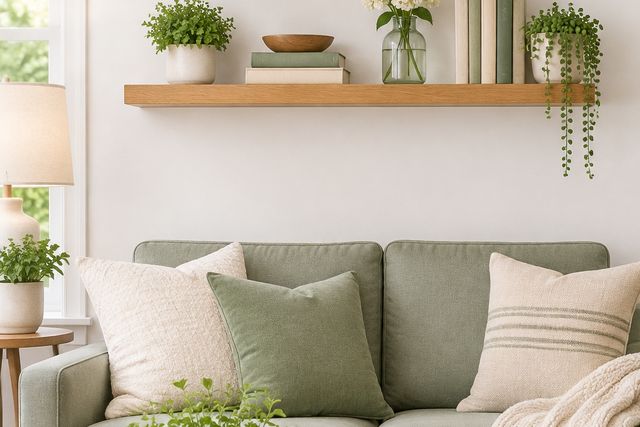
Start with the area you see first when you come home, usually the entry, and work outward one room per week. For the walls, see our floating shelf ideas for small spaces and entryway shelf ideas, and check how high to hang shelves before you drill.
Get the free Declutter Kit
A 7-page printable: room-by-room checklists, the 30-day challenge calendar and a 10-minute weekly reset. Free, straight to your inbox.
Everything mentioned in this guide
One list, so you can check sizes against your own measurements. Links go to Amazon; we may earn a commission.
Questions people ask
How do I organize a small apartment with no storage?
Declutter first, then use walls, the space under the bed, the backs of doors and furniture with hidden storage.
How can I make a small apartment feel bigger?
Keep the floor clear, store things vertically, use matching bins and leave some empty space on shelves.
What furniture is best for small apartments?
Pieces that store things: a bed with drawers, a storage ottoman, a coffee table with a shelf and a bench with cubbies.
How do renters add storage without drilling?
Tension rods, adhesive hooks, freestanding shelves, rolling carts and over-the-door organizers.
How do I organize a studio apartment?
Create zones for sleeping, living and working with furniture and rugs, store vertically, and use closed storage near the bed for a calmer look.